
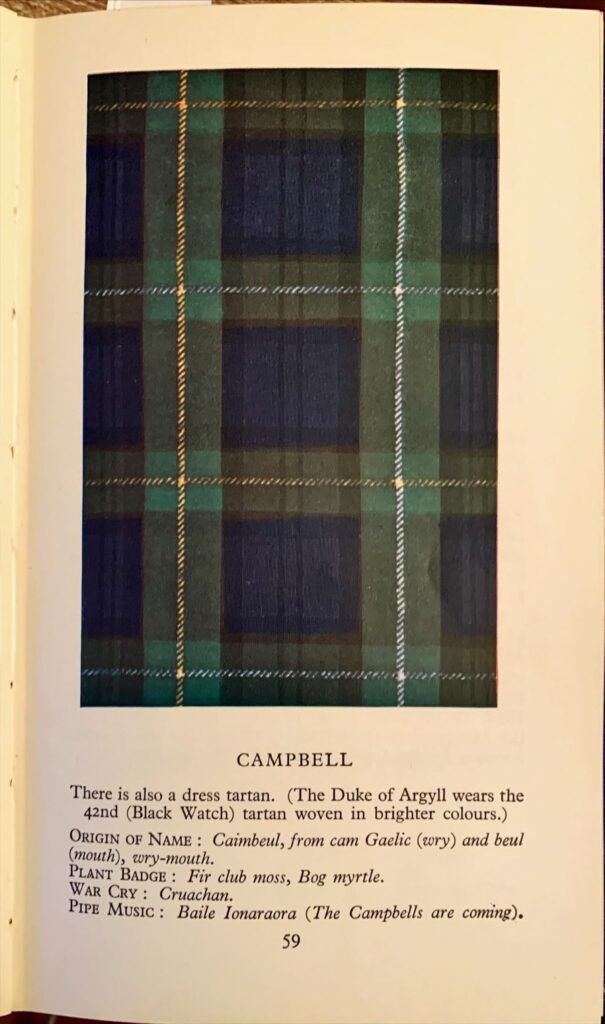
A historical reference page showing the Campbell clan and its traditional tartan.
The name Campbell comes from the Gaelic “Caimbeul”, meaning “crooked mouth.”
The clan traces its origins back to early Highland families and rose to power through strategic alliances and strong leadership.
Rise to Power
The Campbells became dominant in Argyll and surrounding regions.
Their leaders, the Earls (and later Dukes) of Argyll, gained influence through:
- Royal supportThe Campbell clan is one of the most powerful and influential clans in Scottish history.
- Based mainly in the west of Scotland, especially in Argyll, the Campbells played a major role in shaping the Highlands.
- Origins of the Clan
- Political alliances
- Military strength
Over time, they became one of the most powerful clans in Scotland.
Rivalry with the MacDonalds
The Campbells are perhaps best known for their long-standing rivalry with the MacDonald clan.
Conflicts between the two clans lasted for centuries and were often tied to land, power, and loyalty to the Crown.
👉 One of the most famous events linked to the Campbells is the Massacre of Glencoe (1692).
This event remains one of the most controversial moments in Scottish history.
The rivalry between the Campbells and the MacDonald clan is one of the most famous in Scottish history.
The Campbell Tartan
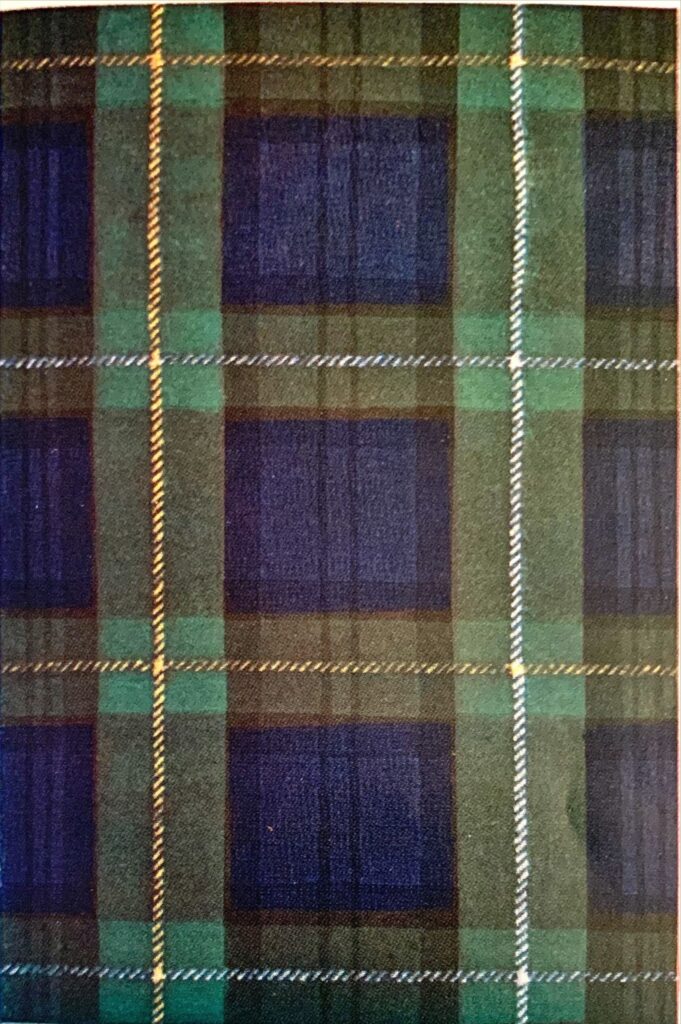
The Campbell tartan, known for its deep green and blue tones.
The Campbell tartan is usually dark and subtle, featuring:
- Deep green and navy colours
- Thin lighter lines
- A balanced and structured pattern
There is also a dress tartan, which uses brighter colours for formal occasions.
Influence and Legacy
Unlike many clans that declined, the Campbells remained influential for centuries.
Their connection to the British government and royal authority helped them maintain power longer than most Highland clans.
Today, the Campbell name remains widely recognised.
Final Thoughts
The Campbell clan represents political power, strategy, and survival in Scottish history.
Its tartan reflects a strong and enduring identity that continues to be recognised around the world.
Discover more from curiousshed.co.uk
Subscribe to get the latest posts sent to your email.