
The Black Watch tartan is one of the most recognisable and widely used tartans in the world.
Unlike many clan tartans, it is not tied to a single family, but instead to a historic Scottish military regiment.
Origins of the Black Watch
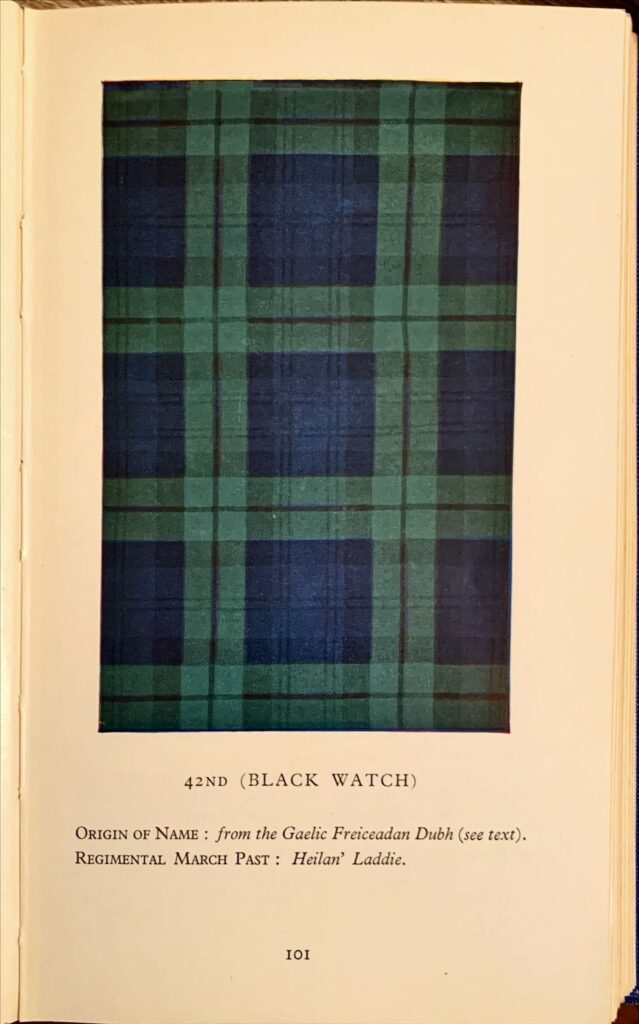
The Black Watch originated in the early 18th century, when companies of Highland soldiers were formed to maintain peace in Scotland.
In 1739, these companies were officially organised into what became known as the 42nd Royal Highland Regiment.
Their role was to patrol the Highlands and keep order, which led to their Gaelic name:
“Freiceadan Dubh” (Black Watch)
The Tartan Pattern
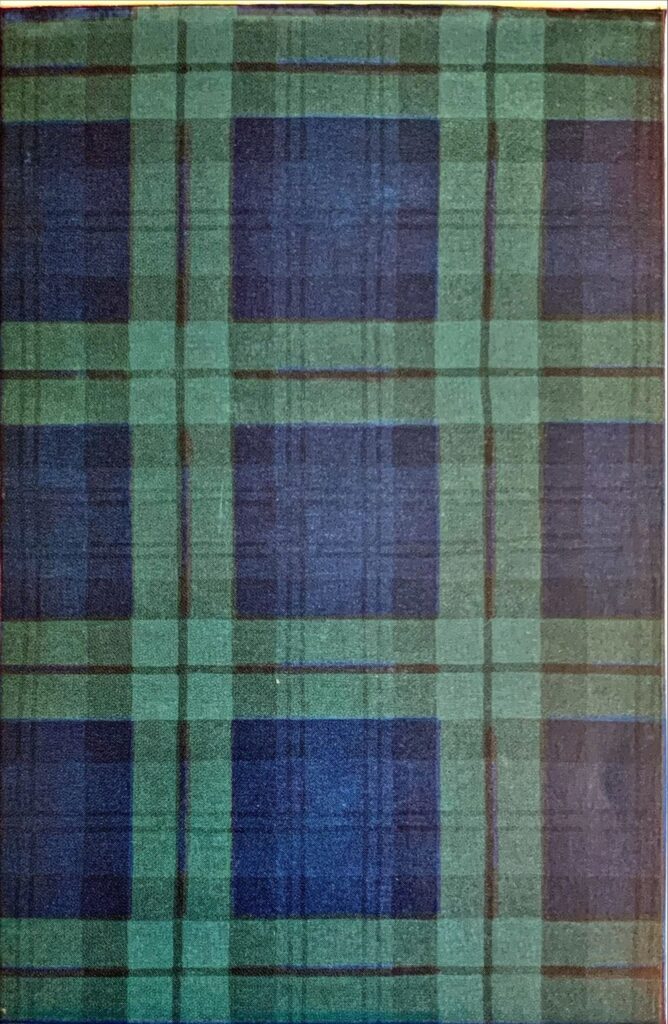
The traditional Black Watch tartan with its dark green and navy tones.
The Black Watch tartan is known for its dark green and deep blue colours, creating a subtle and understated pattern.
Unlike brighter clan tartans, it was designed to be:
- Practical
- Less visible in the landscape
- Suitable for military use
This darker style made it ideal for soldiers operating in the Highlands.
Why It Is So Famous
The Black Watch tartan became famous because of its strong connection to the British Army.
Over time, it spread beyond military use and is now:
- One of the most worn tartans worldwide
- Common in kilts, scarves, and fashion
- Used even by people with no Scottish ancestry
Not Just a Clan Tartan
Unlike Anderson, Armstrong, or Barclay, the Black Watch tartan is not owned by a single clan.
Instead, it represents:
- Discipline
- Service
- Scottish military tradition
Because of this, it is often considered a “universal tartan”.
Final Thoughts
The Black Watch tartan stands apart from other tartans due to its military origins and global recognition.
Its simple but powerful design has made it one of the most enduring symbols of Scotland.
Discover more from curiousshed.co.uk
Subscribe to get the latest posts sent to your email.